
Some marinades are fussy. This one is not. Olive oil, lemon juice, red wine vinegar, garlic, and dried oregano — whisked together in a bowl, poured over chicken, and left to do their work.
The result is meat that tastes genuinely seasoned all the way through, with a brightness that’s unmistakably Mediterranean and a tenderness that makes you wonder why you ever cooked chicken any other way.
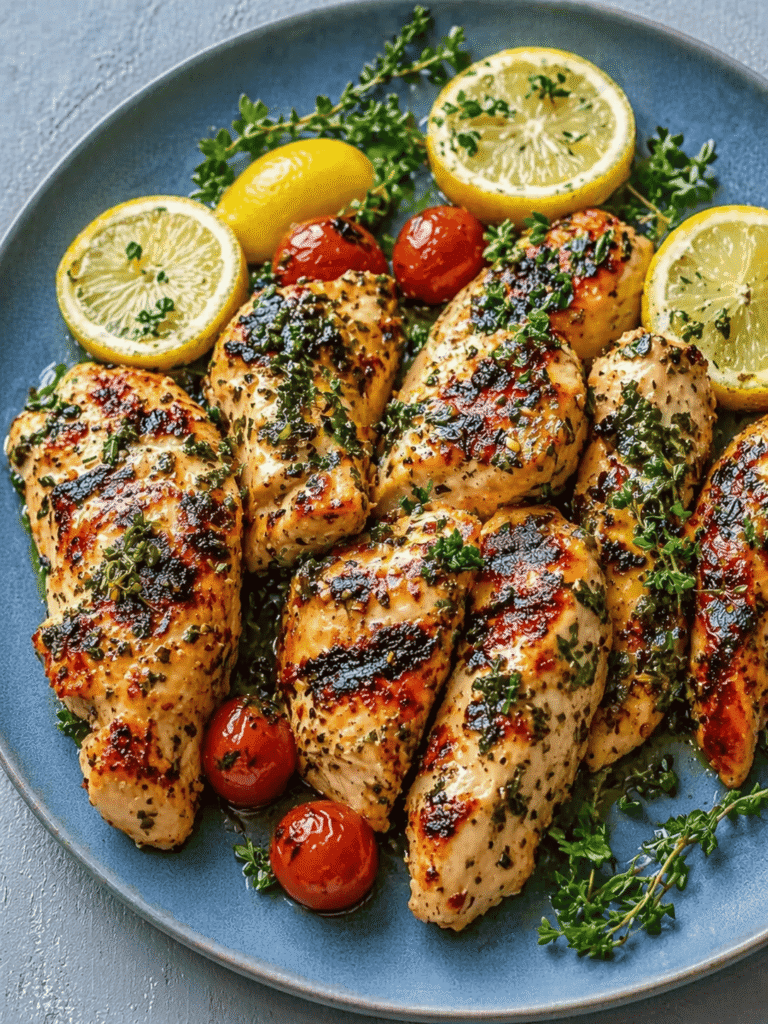
What makes this recipe worth keeping is how transferable it is. The same marinade works on thighs or breasts, grilled or baked, and it’s just as good on lamb chops or a tray of summer vegetables.
I make a double batch most weeks — some goes on chicken for dinner, and the rest gets frozen in an ice cube tray for whenever I need a quick flavour boost. Fifteen minutes of prep, and the fridge or grill does everything else.
Ingredients
- Extra virgin olive oil — The base that carries all the other flavours and keeps the chicken moist during cooking. Use a decent one; you’ll taste it.
- Fresh lemon juice — Brings acidity and brightness, and gently tenderises the meat as it marinates. Bottled lemon juice is a poor substitute here — fresh makes a real difference.
- Red wine vinegar — A second hit of acidity that adds tang and depth. It balances the richness of the olive oil and keeps the marinade from tasting flat.
- Garlic — Minced fresh, four cloves minimum. It mellows as the chicken cooks and becomes sweet and aromatic rather than sharp.
- Dried oregano — The herb that makes this undeniably Greek. It’s more potent dried than fresh for this application — the intensity is exactly what you want in a marinade.
- Crushed red pepper flakes — Optional, but they add a quiet warmth without turning this into a spicy dish. Leave them out if you’re feeding anyone heat-averse.
- Salt and black pepper — Season firmly. Under-salted marinade means under-seasoned chicken, no matter how long you leave it.
- Fresh parsley — Stirred in at the end of mixing, or scattered over the finished dish. It adds a pop of freshness that the dried herbs can’t replicate.
Swaps and Substitutions
If you don’t have red wine vinegar, white wine vinegar works well. Balsamic vinegar is a more significant swap — it’s sweeter and thicker, which changes the character of the marinade, though not unpleasantly.
Lemon juice can be replaced with white wine vinegar in a pinch, though you lose the citrus brightness that defines this recipe. If you have lemons but want more citrus intensity, add the zest of one alongside the juice.
Chicken thighs are more forgiving than breasts here — they’re fattier, harder to overcook, and absorb the marinade beautifully. If you’re new to this recipe, start with thighs. Bone-in pieces work too; they’ll just need longer on the grill or in the oven.
How to Make The Greek Chicken Marinade
Make the marinade. Whisk together the olive oil, lemon juice, red wine vinegar, minced garlic, dried oregano, salt, pepper, and chilli flakes in a medium bowl until smooth and fully combined. Stir in the fresh parsley if using.
Prepare the chicken. Place the chicken breasts or thighs in a resealable bag or shallow dish in a single layer. If using breasts, cover with plastic wrap and pound to an even thickness with a meat mallet or rolling pin — this is the step that ensures even cooking.
Marinate. Pour the marinade over the chicken and press or turn to coat every surface. Seal the bag, pressing out the air, or cover the dish tightly. Refrigerate for at least 1 hour, or overnight for the best result.
Remove and cook. Take the chicken out of the fridge 15 minutes before cooking to take the chill off. Remove each piece from the marinade and shake off the excess. Discard the used marinade — do not reuse it or use it as a sauce, as it has been in contact with raw meat.
Cook to 165°F. Grill over medium-high heat for 6–7 minutes per side, bake at 425°F for 20–25 minutes, or sear in a hot pan for 4–5 minutes per side. Whatever method you use, pull the chicken at an internal temperature of 165°F (74°C).
Rest before serving. Leave the chicken to rest for 5 minutes before slicing. This is not optional — it’s what keeps the juices inside rather than on your cutting board. Scatter with fresh parsley and serve.
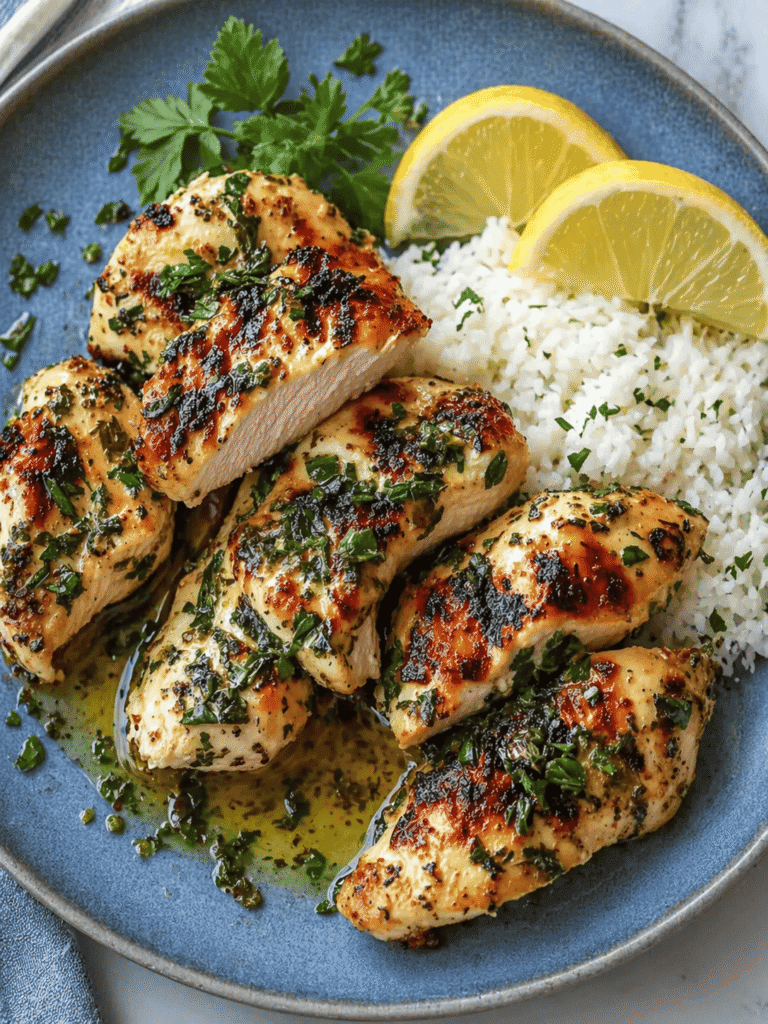
How Long to Marinate
One hour is the real minimum, not a suggestion. Less than that and the marinade flavours stay on the surface — you get seasoned skin but bland meat underneath.
The sweet spot is somewhere between 4 and 12 hours. Overnight is ideal and makes a genuinely noticeable difference to both flavour depth and texture. The acid in the lemon juice and vinegar works its way into the muscle fibres slowly, breaking down some of the tougher proteins and making the finished chicken noticeably more tender.
Beyond 24 hours, however, you start working against yourself. Prolonged acid exposure breaks down the surface proteins too aggressively, and the meat takes on a slightly mushy, almost chalky texture — particularly noticeable with chicken breasts. Set a reminder if you’re prepping the night before, and pull it out in the morning.
One more thing: always marinate in the fridge, never at room temperature. The acidity slows bacterial growth but doesn’t prevent it, and raw chicken left out for hours is a food safety risk regardless of how much lemon juice is involved.
Meaningful Ways to Change the Dish
The marinade takes well to a tablespoon of honey, which caramelises during cooking and gives the exterior a gorgeous glaze. It shifts the flavour profile slightly sweeter but pairs brilliantly with the lemon and vinegar.
For a more aromatic version, add a sprig of fresh rosemary or thyme to the marinade bag along with the chicken. The herbs infuse gradually and give the finished dish a more complex, almost herbaceous quality.
This marinade is genuinely excellent on lamb — leg steaks or chops especially. The oregano and lemon play to lamb’s natural richness in a way that feels entirely natural. Marinate lamb for the same amount of time as chicken, then cook over high heat.
For a vegetarian application, use it on firm vegetables: halved courgettes, thick slices of aubergine, whole cherry tomatoes, and peppers all benefit from even 30 minutes in this marinade before roasting or grilling.
What to Serve With It
- Warm pita bread and tzatziki — the classic pairing for good reason
- Greek salad with cucumbers, tomatoes, Kalamata olives, and feta
- Herbed rice or couscous to soak up any pan juices
- Roasted vegetables — courgette, peppers, and aubergine are ideal
- Grilled asparagus or a simple rocket salad with lemon dressing
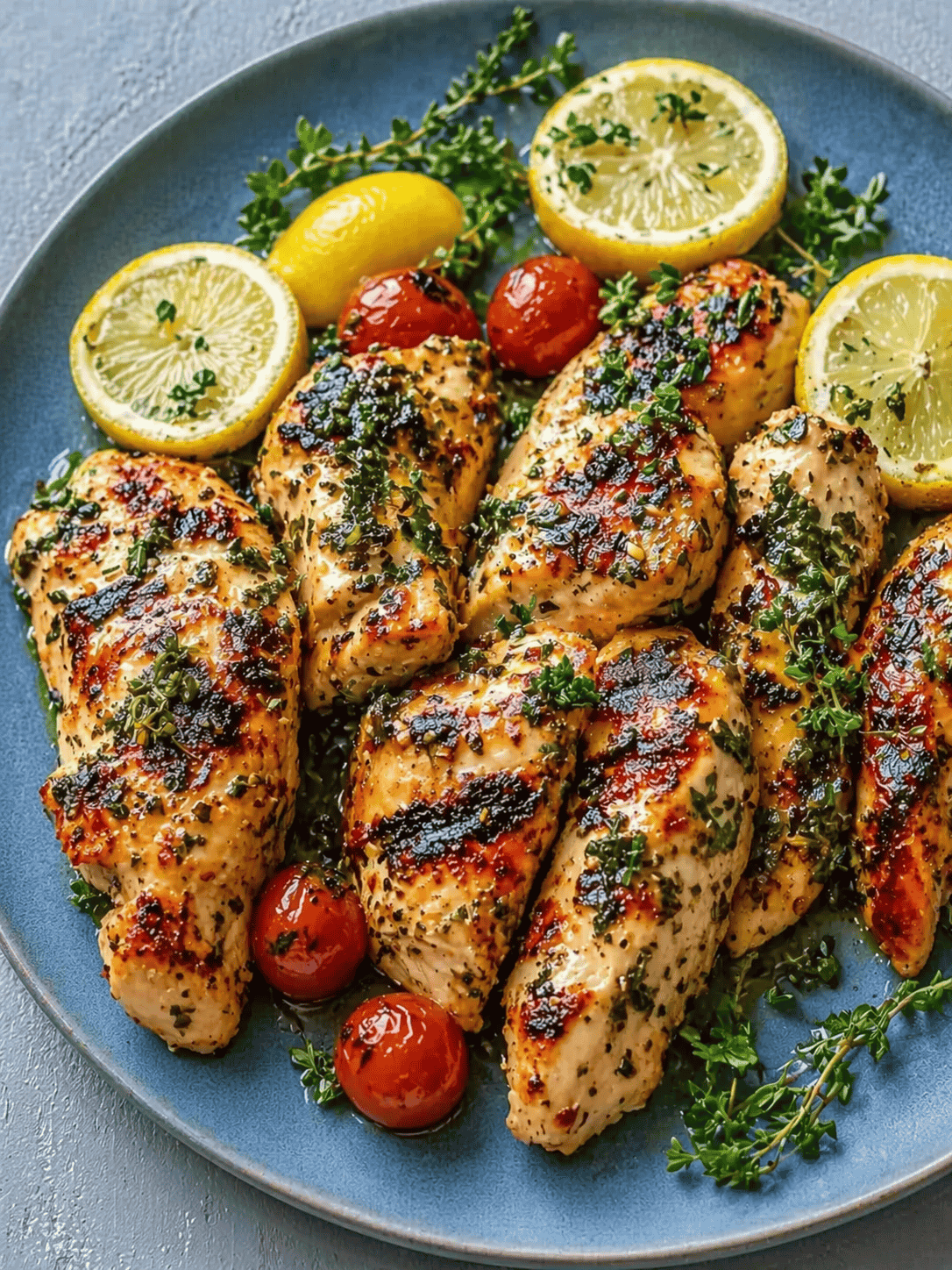
Greek Chicken Marinade
Some marinades are fussy. This one is not. Olive oil, lemon juice, red wine vinegar, garlic, and dried oregano — whisked together in a bowl, poured over chicken, and left to do their work.Ingredients
Method
- Whisk together all marinade ingredients in a medium bowl until smooth and well combined.
- Pat chicken dry and pound to an even thickness (for breasts). Place in a resealable bag or shallow dish in a single layer.
- Pour marinade over the chicken and turn to coat all surfaces. Seal and refrigerate for at least 1 hour, up to 24 hours.
- Remove chicken from the fridge 15 minutes before cooking. Discard the used marinade.
- To grill: Cook over medium-high heat for 6–7 minutes per side until the internal temperature reads 165°F (74°C).
- To bake: Bake at 425°F (220°C) for 20–25 minutes until cooked through.
- To sear: Cook in a hot oiled pan over medium-high heat for 4–5 minutes per side.
- Rest for 5 minutes before slicing. Garnish with fresh parsley and serve.
Notes
Do not marinate for more than 24 hours — the acid will begin to break down the texture of the meat.
Never reuse marinade that has been in contact with raw chicken. Set aside a small portion before marinating if you want a sauce for serving.
Unused marinade (not used with raw chicken) keeps in the fridge for up to 1 week or frozen for up to 3 months.
Cooked chicken keeps in an airtight container in the fridge for up to 4 days. Raw marinated chicken can be frozen for up to 3 months — thaw overnight in the fridge before cooking.